

March 9, 2026
Big milestone events have a funny way of tricking people into planning backwards. You grab tickets, book a hotel close to the venue, and then try to cram a whole destination into the “free” hours between doors opening and your dinner reservation.
It can work. But it usually feels like a sprint, not a celebration.
In this post, we are going to walk through the steps we think about when we build a real trip around a milestone event. The event is the anchor, but the trip should flow like a true vacation: a soft landing, the right home base, smooth event days, a few meaningful add ons that fit the pace, and a finish that lets you enjoy what you just did.
And to make it real, we will show you how we recently used this milestone event trip framework for clients who wanted to build their France trip around Roland Garros (aka the French Open). We started with a soft landing in Amsterdam, used Paris as the base not only for tennis but with the time to also enjoy the city beyond the event, added a Champagne day trip, then slowed things down with Burgundy and a Riviera finish.
Step 1: Start with a soft landing
If you are crossing time zones or flying overnight, we love adding a short buffer before the main destination. Not because you “need” it, but because it changes the rhythm of the whole trip. A soft landing can be a nearby city for 2 to 3 nights, a calm resort stop, or even just a quieter neighborhood choice with a later first morning and no big plans.
Why it matters
You arrive sharper, you adjust to the time change without pressure, and you start the trip feeling like you are on vacation, not recovering from travel.
How we do it
We pick a simple, walkable area, book a hotel that makes arrival easy, and give you one guided “get your bearings” experience plus a light menu of options for free time. Enough structure to avoid decision fatigue, but not so much that you are chasing a schedule.
For the French Open
We started with three nights in Amsterdam as a buffer, so the travelers could reset after the overnight flight, adjust to the time zone, and arrive in Paris feeling sharp instead of foggy. We added one guided history walk to get oriented, then left a free day with a curated short list (museums, markets, parks) so it stayed relaxed, not chaotic.
Step 2: Choose the right base
Your base is not just where you sleep. For event travel, it is the difference between feeling like everything is easy and feeling like you are constantly navigating. The right base supports both the event and the destination. It should make the logistics disappear, while still giving you the neighborhood vibe you want.
Why it matters
A smart base reduces daily friction. Pickups are easy, transit time is predictable, restaurants are nearby, and you can step out for coffee or a walk without turning it into a production.
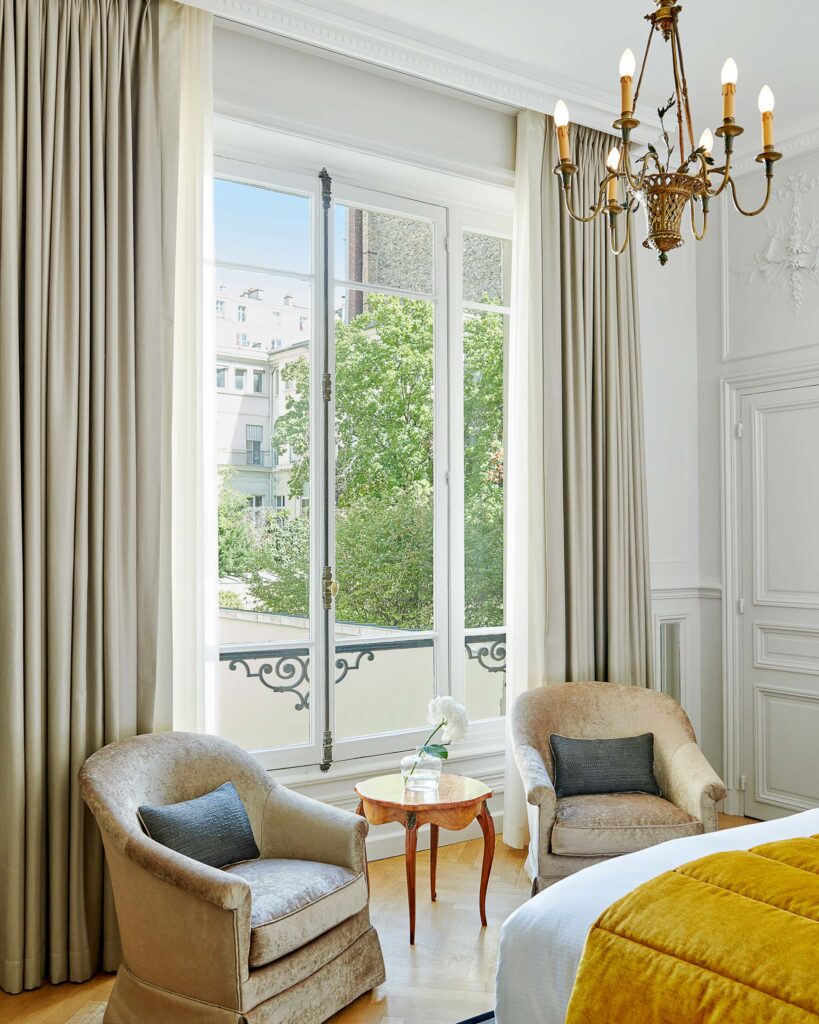
Image Courtesy Hôtel Lancaster
How we do it
We look at the venue location, event start times, and your preferred pace. Then we choose a home base that supports both event days and non-event days. We also pay attention to small quality of life details like room layouts, quiet floors, breakfast, and a good bar or lounge for an arrival moment.
For the French Open
We routed Amsterdam to Paris by direct train, timed it for a mid-afternoon arrival, and used a private transfer from Gare du Nord to the hotel. We based them at Hôtel Lancaster near the Champs Élysées because it is walkable for classic Paris days and practical for match days, with easy pickups and less transit friction. We also built in a simple arrival moment (champagne at the bar) to kick off Paris the right way.
Step 3: Make the event feel like the main character, not the logistics
The quickest way to drain the fun out of a milestone event is to make it hard. Long lines, confusing transport, tight timing, and no plan for meals turns a dream day into an endurance test. Event days should feel smooth and flexible. The goal is to keep your energy on the experience, not on managing the day.
Why it matters
When logistics are handled, you enjoy the event more. You are not rushing, you are not stressed, and you can stay longer or leave earlier without unraveling the whole plan.
How we do it
We plan event days around one goal, keeping your energy on the experience. That often means private transfers or a clean transport plan with flexibility on the return. If you want to stay longer, leave early, or pivot to dinner based on how the day feels, you can.
We also build in a calm morning, a simple pre-event meal plan, and realistic timing buffers so you are not rushing or stressed.
For the French Open
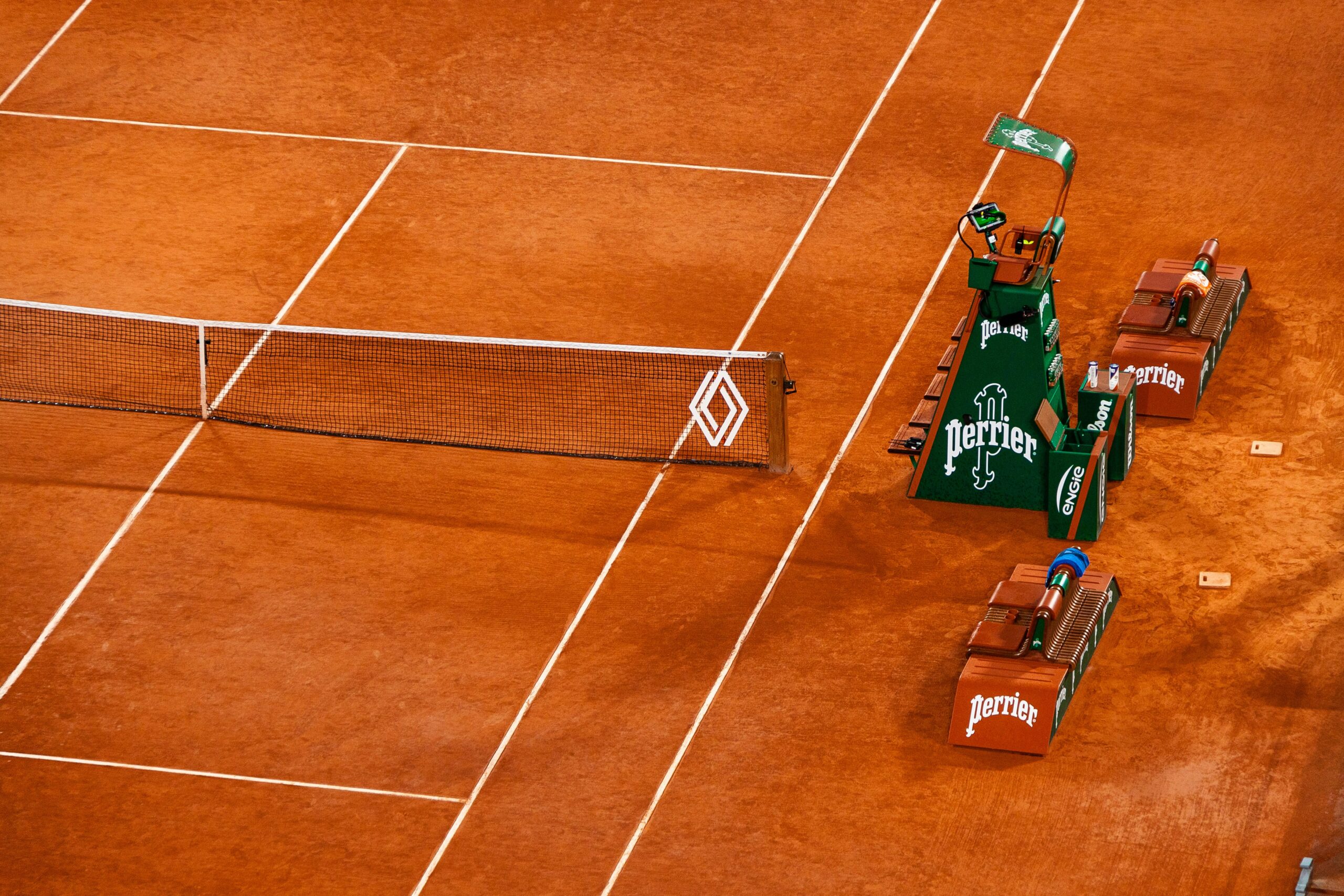
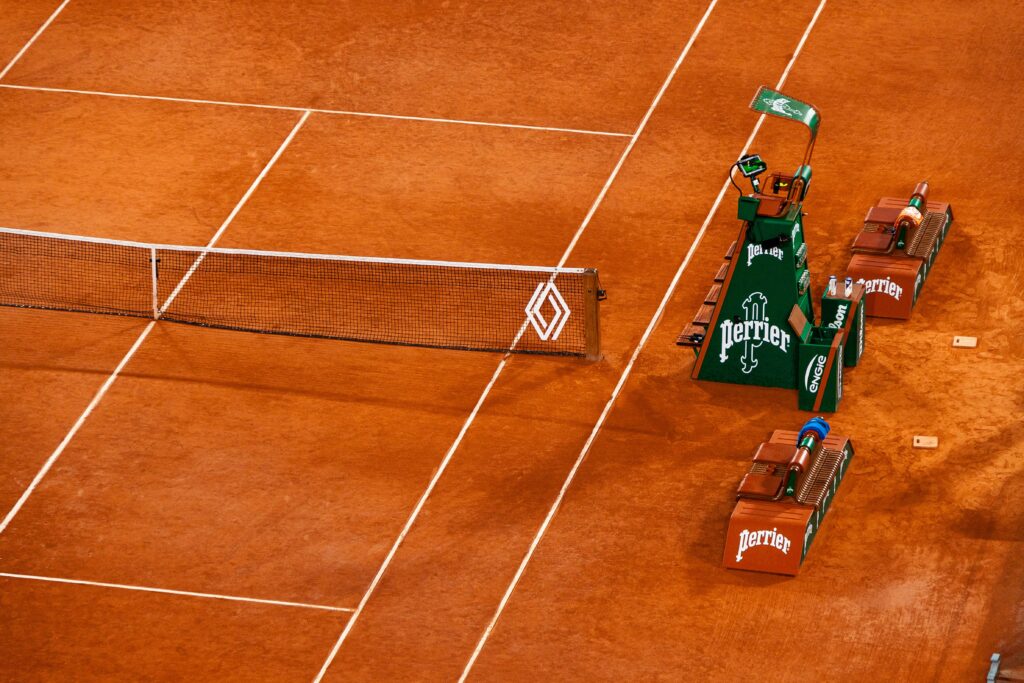
We made match days effortless with private transfers to Roland Garros and flexible returns by Uber, depending on when they wanted to leave. We started with a Grounds Pass day to roam the outer courts and soak up the early round energy, then upgraded to hospitality days with Category 1 seats and lounge access so the tennis felt like a vacation, not an endurance sport.
Step 4: Add the right additional things
This is where most itineraries go sideways. People try to add everything. Instead, we design add-ons that complement the event. Think contrast and pacing: one cultural heavy hitter, one “only here” experience, one food and drink moment, and one neighborhood wander with purpose.
Why it matters
When you stop competing with the event schedule, the destination becomes more enjoyable. You actually have the bandwidth to absorb the big sights and the smaller neighborhood moments.
How we do it
We schedule the big sightseeing or immersive touring when you actually have the energy for it. If the event days are high stimulation, we do the deep touring after. If the event is later in the trip, we keep the early days lighter. Same destination, totally different feel.
For the French Open
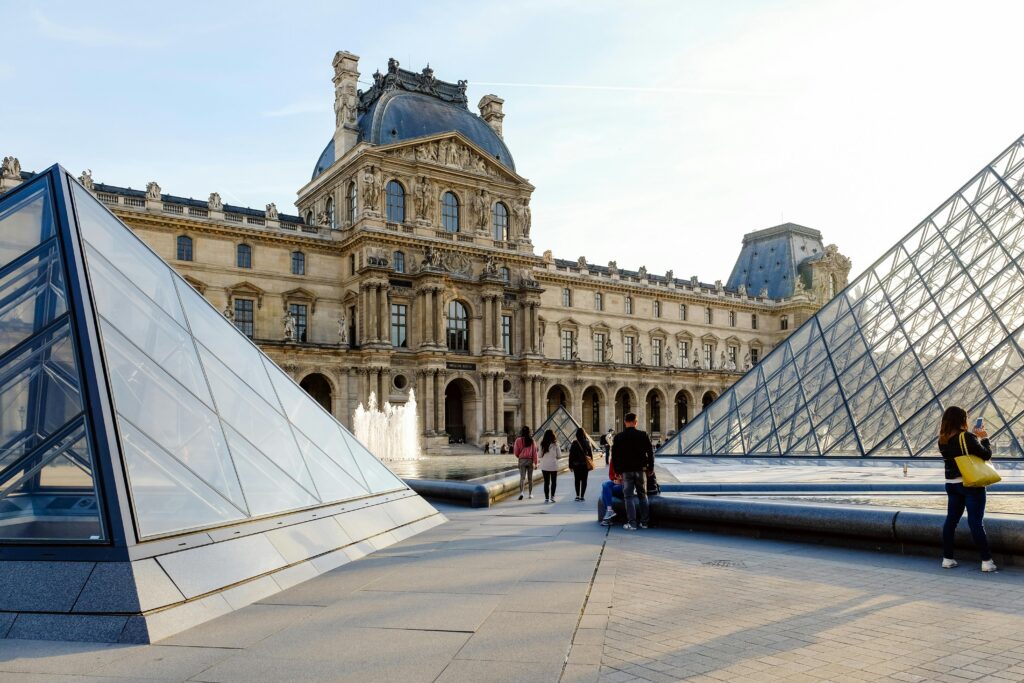
We scheduled the iconic touring after the tennis, so it did not compete with match times or energy. That is where we placed the private Notre Dame and Left Bank day, a Louvre highlights tour (not a marathon), Eiffel Tower summit with realistic buffers, and a full Versailles day with a driver guide so it stayed smooth and unrushed.
Step 5: Build in a true celebration moment
A milestone deserves a moment that feels intentional, not accidental. That might be a special tasting, a chef’s counter, a private boat, a behind-the-scenes experience, a photographer session, or a perfect suite and a slow morning. This is also where the trip becomes personal. Two travelers can attend the same event, but the celebration moment is what makes it feel like theirs.
Why it matters
A planned celebration creates a memory peak. It turns the trip from a schedule into a story you will want to retell.
How we do it
We ask, “What does celebrating look like for you?” Then we plan one or two signature moments that feel personal and easy. Not a packed day with ten checkboxes. A clean, memorable highlight.
For the French Open
We added a Champagne day trip to Reims as the celebratory palate cleanser after tennis and museums, using fast trains each way to keep it easy. We built it around two distinct tastings, then returned to Paris the same evening, so it felt special without the hassle of switching hotels.
Step 6: End with a relaxing finish
Most trips end too abruptly. You do one last big thing, pack at midnight, then fly home, wiped out. We prefer a relaxing finish: a slower final stop, a couple of free hours before departure, and a last day that feels like a landing, not a finale.
Why it matters
A relaxing finish helps you absorb the trip, enjoy the last days, and head home restored instead of depleted.
How we do it
We shape the last 48 hours to be simple. Minimal transfers. A hotel that supports a late checkout if needed. A departure plan that does not require stress math. You go home feeling like you actually got the benefit of the trip.
For the French Open
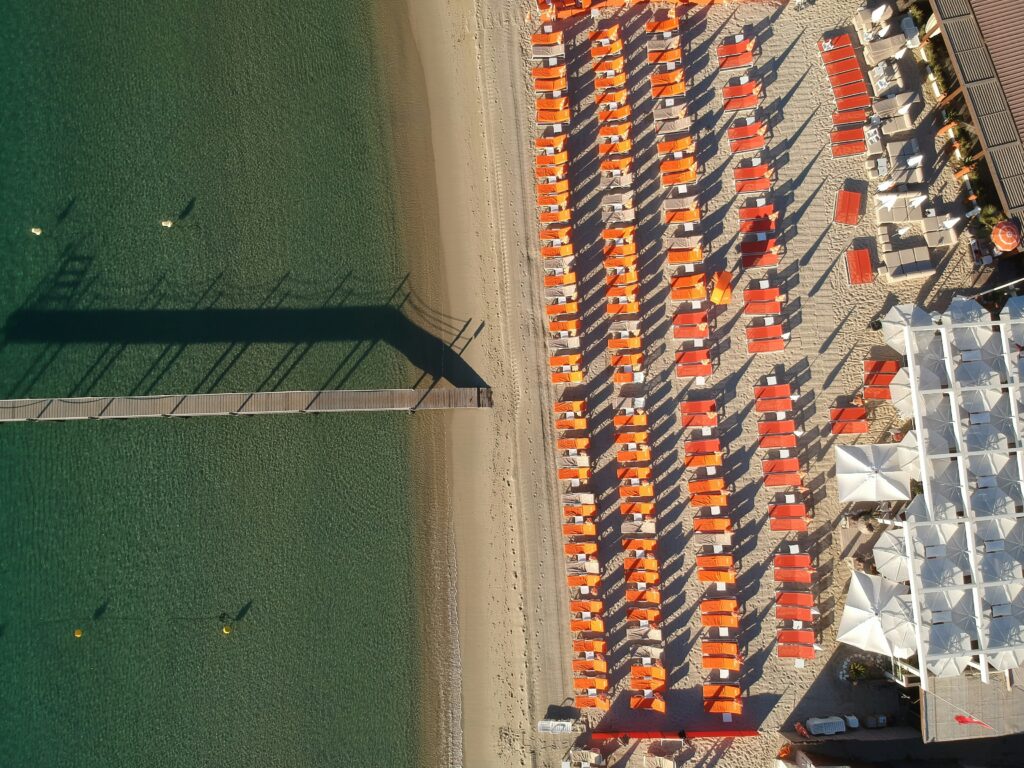
We slowed the pace after Paris by moving into Burgundy for village life, wine days, and long lunches, then finished near Saint Tropez for a true coastal exhale. We used first-class trains plus private transfers to keep the transitions clean, and picked a stay with an easy boat ride into town so the ending stayed flexible, light, and restorative.
The takeaway
When you plan around a milestone event the right way, the event is unforgettable, and the trip around it feels like a vacation. That is the difference we build.
If you have a milestone on the calendar, tell us the event, the timing, and how you want the trip to feel. We will design the soft landing, the right base, the event days, the add-ons, the celebration, and the soft ending so it all flows.
Ready to plan your milestone event? Schedule your complimentary consultation, and we’ll make it happen.


